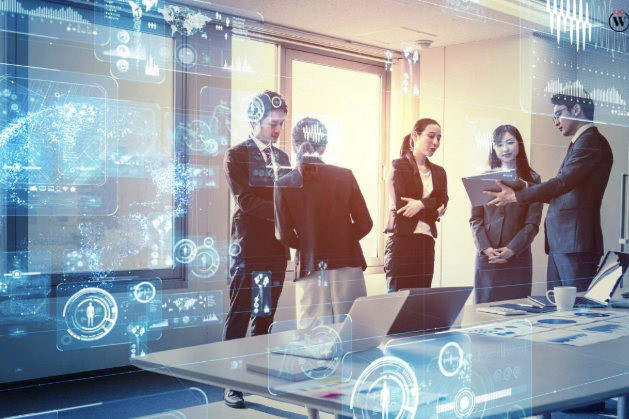
Edge computing is reshaping the landscape of IoT devices by facilitating localized data processing. This approach significantly reduces latency and enhances the responsiveness of applications. However, it also presents unique challenges in implementation and resource management. As industries increasingly adopt edge computing, understanding its benefits and potential obstacles becomes crucial. The implications of this technology extend beyond mere efficiency, influencing various sectors and raising important questions about its future trajectory.
Key Benefits of Edge Computing in IoT
As the demand for real-time data processing escalates, edge computing emerges as a pivotal solution for Internet of Things (IoT) devices. This technology facilitates latency reduction by processing data closer to the source, enhancing responsiveness.
Additionally, it ensures security enhancements through localized data handling, minimizing exposure to vulnerabilities.
Furthermore, bandwidth optimization occurs as less data is transmitted to centralized servers, improving overall system efficiency.
Challenges Facing Edge Computing Implementation
While edge computing presents numerous advantages for IoT devices, its implementation is not without significant challenges.
Security concerns arise from data processing at the edge, while latency issues can impede real-time applications.
Furthermore, interoperability challenges among diverse devices complicate integration.
Effective device management is essential to address these hurdles, ensuring that the benefits of edge computing can be fully realized without compromising functionality or security.
See also: Digital Transformation in Modern Companies
Real-World Applications of Edge Computing in IoT
The implementation challenges of edge computing in IoT devices underscore the need for innovative solutions, highlighting its potential across various sectors.
In smart farming, edge computing enables real-time data analysis for optimized resource management, enhancing yields.
Similarly, in autonomous vehicles, it facilitates rapid decision-making by processing sensor data locally, thereby improving safety and efficiency while reducing latency and bandwidth usage.
Future Trends in Edge Computing for IoT Devices
Innovation in edge computing is poised to transform the landscape of IoT devices significantly.
Future trends will increasingly focus on edge analytics and decentralized processing, enabling real-time data analysis at the source. This shift promises enhanced efficiency, reduced latency, and improved security.
As IoT ecosystems evolve, the demand for adaptable, autonomous edge solutions will empower devices, fostering greater operational freedom and innovation.
Conclusion
In conclusion, edge computing significantly enhances the functionality of IoT devices by reducing latency and improving security, despite concerns regarding initial implementation costs. The benefits of real-time data processing and localized decision-making far outweigh these challenges, enabling diverse applications across industries. As edge computing technologies advance, their integration into IoT ecosystems will only become more seamless, fostering greater innovation and operational efficiency. The future promises a more interconnected and responsive digital landscape, driven by these transformative solutions.