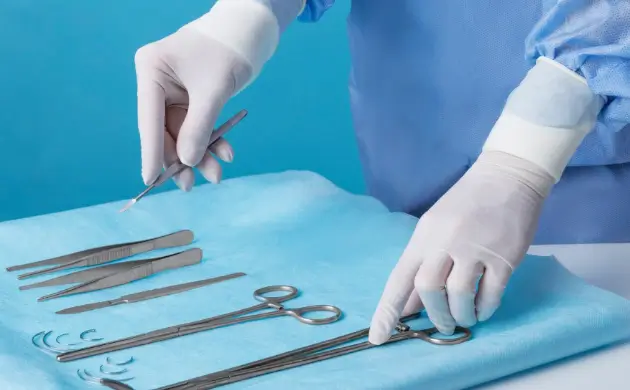
Surgical stapling devices are essential tools in modern operating rooms, widely used to close wounds, divide tissue, and reconnect internal organs with speed and consistency. These devices have transformed surgical practice by offering a faster and often more reliable alternative to traditional suturing methods. As healthcare systems continue to advance toward minimally invasive and robotic assisted procedures, medical innovation and R&D campus have become increasingly important across a wide range of medical specialties.
Hospitals, surgeons, and medical technology companies rely on these devices to improve procedural efficiency, reduce complications, and support better patient recovery outcomes.
Understanding Surgical Stapling Devices
Surgical stapling devices are medical instruments designed to place specialized staples into tissue during surgical procedures. These staples are typically made from biocompatible materials such as titanium or absorbable polymers that can safely remain in or be absorbed by the body.
The primary function of these devices is to close tissue securely and consistently. They are commonly used during operations involving the gastrointestinal tract, lungs, skin, and other internal organs.
Unlike manual suturing, stapling devices can close long tissue sections quickly and with uniform pressure, which helps reduce variability and improve surgical efficiency.
Modern stapling systems are available in multiple forms, including manual, powered, linear, circular, and endoscopic designs, each suited for specific surgical needs.
Types of Surgical Stapling Devices
There are several categories of surgical stapling devices used in clinical practice, each designed for specific surgical applications.
Linear stapling devices are commonly used to staple and divide tissue in straight lines during procedures such as bowel resections or lung surgery. These devices are widely used in both open and minimally invasive surgeries.
Circular staplers are designed to create end to end connections between hollow organs. They are often used in gastrointestinal surgeries where sections of the digestive tract need to be reconnected.
Skin stapling devices are used for external wound closure, especially in trauma care, emergency surgery, and orthopedic procedures. They provide fast closure and are often removed once healing progresses.
Endoscopic staplers are designed for minimally invasive surgery and can be inserted through small incisions. These devices feature long shafts and articulating heads to allow precise operation inside the body.
Powered staplers represent an advanced category that uses motorized systems to improve staple formation consistency and reduce manual effort for surgeons.
Importance in Minimally Invasive Surgery
Minimally invasive surgery has become a major trend in modern healthcare because it reduces patient trauma, shortens recovery time, and lowers the risk of complications.
Surgical stapling devices are essential in these procedures because they allow surgeons to perform tissue closure through small incisions without direct access to the surgical site.
Endoscopic staplers are especially important in laparoscopic and robotic assisted surgeries, where surgeons operate using specialized instruments and high definition imaging systems.
Powered stapling devices further enhance minimally invasive surgery by improving precision and reducing variability during tissue closure.
As more hospitals adopt minimally invasive techniques, demand for advanced stapling devices continues to increase globally.
Applications Across Medical Specialties
Surgical stapling devices are used across many medical specialties due to their versatility and efficiency.
In gastrointestinal surgery, they are used for bowel resections, stomach procedures, and tissue reconnection. In thoracic surgery, staplers are commonly used during lung resections and chest procedures.
Bariatric surgery relies heavily on stapling devices for procedures such as gastric bypass and sleeve gastrectomy. These devices help ensure secure tissue closure during weight loss surgeries.
Gynecological procedures, including hysterectomies, also make use of stapling devices for efficient tissue management.
In trauma and emergency care, skin staplers are widely used for rapid wound closure, helping stabilize patients quickly.
Benefits for Surgeons and Patients
One of the main advantages of surgical stapling devices is improved speed during surgical procedures. Stapling can significantly reduce operating time compared to traditional suturing techniques.
Consistency is another key benefit. Stapling devices apply uniform pressure, which helps ensure secure and reliable tissue closure.
For patients, these benefits often translate into faster recovery times, reduced infection risk, and smaller or more controlled scars, especially in minimally invasive procedures.
For surgeons, stapling devices reduce hand fatigue and improve workflow efficiency during long or complex operations.
Overall, these devices contribute to safer, more predictable surgical outcomes.
Technological Advancements in Stapling Devices
Modern surgical stapling devices have evolved significantly due to advancements in engineering, robotics, and digital technology.
Powered staplers now offer improved control over staple formation and tissue compression, reducing the risk of improper closure.
Some advanced systems include tissue sensing capabilities that help determine the appropriate staple height based on tissue thickness.
Ergonomic designs have also improved usability, making devices easier to handle during complex surgical procedures.
Integration with robotic surgical platforms is another major advancement, allowing surgeons to perform highly precise stapling within robotic assisted procedures.
Future developments are expected to include even more intelligent systems with enhanced automation and real time feedback capabilities.
Safety and Quality Considerations
Safety is a critical factor in the design and use of surgical stapling devices. These instruments must meet strict regulatory standards to ensure reliable performance in clinical environments.
Manufacturers conduct extensive testing to evaluate staple formation, device strength, and tissue compatibility.
Proper training is also essential for healthcare professionals using these devices. Incorrect usage can lead to complications such as improper closure or tissue damage.
Hospitals typically implement strict protocols for device selection, usage, and maintenance to ensure patient safety and optimal surgical outcomes.
Challenges in Surgical Stapling Technology
Despite their advantages, surgical stapling devices also present certain challenges. Device malfunctions, improper selection, or incorrect application can lead to surgical complications.
Cost is another consideration, as advanced stapling systems, especially powered or robotic compatible devices, can be expensive for healthcare facilities.
There is also a need for continuous training to ensure surgeons and operating room staff are familiar with evolving technologies.
Manufacturers must constantly innovate to improve reliability, reduce costs, and enhance ease of use.
See also: Curtain Cleaning Dubai Guide for Long Lasting and Fresh Curtains
Future Outlook
The future of surgical stapling devices is closely tied to advancements in robotics, artificial intelligence, and minimally invasive surgery.
Next generation stapling systems are expected to become more intelligent, with features such as automated tissue assessment and adaptive staple formation.
Integration with robotic surgery platforms will continue to expand, enabling greater precision in complex procedures.
As healthcare systems continue to modernize, surgical stapling devices will remain a critical component of surgical care, supporting safer procedures, improved efficiency, and better patient outcomes worldwide.