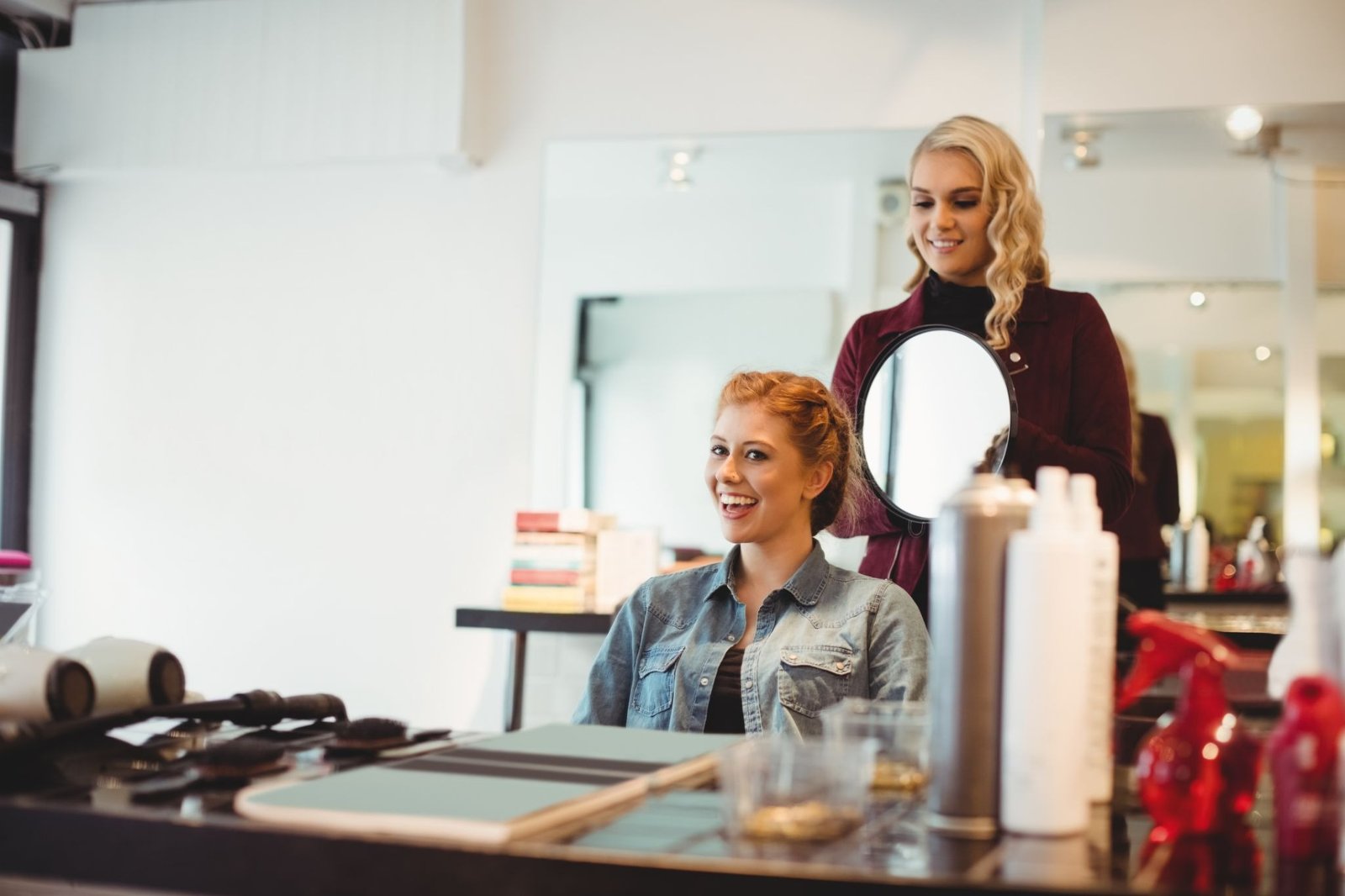
Salon consultations have a credibility problem in most places. Walk in, sit down, get asked what you want, hand the stylist a photo, and the chair work starts five minutes later. That isn’t a consultation. It’s a transaction with a sit-down step bolted onto the front. A real consultation looks completely different, takes meaningfully longer, and produces outcomes that don’t end with a client crying in their car twenty minutes after they leave. The gap between the rushed version and the real one is wider than people coming in fresh would imagine.
Clients looking for the best hair salon in Centerville are increasingly able to tell the difference between salons that respect this part and ones that pretend it doesn’t exist. The salons doing it properly tend to keep clients for years. The ones treating it as filler keep clients exactly as long as it takes them to find a place that takes their hair seriously.
AltaRd Salon LLC is one of the best hair salons in Centerville, located on Miamisburg Centerville Road, serving the broader Dayton area. None of what follows recommends any particular salon. It’s a look at what a real consultation involves, what gets covered when it’s done properly, and where the differences end up showing in the final result.
Real Consultation
The chair work is the visible part of what a stylist does. The consultation is the part that determines whether the chair work will end well or badly. A cut that looks great on the inspiration photo can look entirely wrong on a specific person’s face shape, hair density, and growth pattern. Color that lifted beautifully in someone else’s hair can refuse to lift in yours because your base is darker, warmer, or has residual color layered in. None of that can be sorted out from a quick “what are we doing today” question.
The consultation is where the stylist figures out what’s actually possible for a specific client, what the client truly wants underneath the photo they brought in, and whether those two things can meet in the same appointment. Skipping or shortcutting that conversation leaves all of those questions unanswered. The chair work then becomes a guess.
See also: How Condo Amenities Influence Long-Term Residential Satisfaction
Hair History
A real consultation asks about hair history before any product touches the scalp. What colors have been applied? What chemicals. Whether the hair has been keratin-treated, perm-treated, or chemically straightened. Previous box dye underneath salon color. Lightener history. Bleach baths or Olaplex stand-alones. How recent each of those is.
This matters because hair carries history. Color sitting underneath what looks like virgin hair shifts how new color processes. Old keratin can prevent certain color formulations from depositing properly. Box dye buildup creates uneven lift patterns. None of it shows from the outside. All of it affects the outcome. A stylist who doesn’t ask is operating blind. A stylist who does ask catches problems before they become disasters. The U.S. Bureau of Labor Statistics’page on hairstylists and cosmetologists notes that providing consultations and advising clients on at-home care are part of the job description for the profession.
Reading Photos
Photos are how most clients communicate what they want. The problem is that photos lie constantly. Different lighting. Different starting hair. Different stylists. Different post-production. The honey blonde on Instagram was shot at golden hour on someone with a natural base that lifted easily after several appointments. None of that is visible in the photo itself.
A signature consultation looks carefully at the photo, then talks through what’s realistic given the client’s actual starting point. Sometimes the answer is yes, we can get there in one appointment. Sometimes it’s yes, but it’ll take three sessions to do without destroying the hair. Sometimes it’s not. That color was created with extensions, and the closest version to your real hair would look like this instead. The honest version of that conversation might disappoint someone. The dishonest version produces the after-photo nobody wants.
Lifestyle and Maintenance
The cut and color that look amazing on the day of the appointment don’t always withstand the rigors of the client’s daily life. A high-maintenance balayage on someone who shampoos daily fades fast. A precision bob on someone who never blow-dries looks completely different by day two. Modern shag layers on someone who only uses a flat iron will sit flat instead of textured.
A consultation conversation about lifestyle isn’t about judging anyone’s routine. It’s about matching the work to what the client will realistically do at home. The American Academy of Dermatology’stips for healthy hair recommend limiting heat tool use, washing less frequently, and protecting hair from styling damage. A stylist who knows the client’s actual routine can create a result that holds up between visits rather than falling apart by the third day.
Aftercare Conversation
A signature consultation includes the post-appointment piece before the appointment even ends. What products should I use at home? Wash frequency. Heat tool limits. Trim intervals. When to come back for color refresh. What to do if something looks wrong in the first week.
Salons that skip the aftercare conversation are leaving outcomes on the table. The styling done in the chair only lasts as long as the home routine supports it. Salons that build aftercare into the consultation get repeat results that the salon down the street, rolling clients through every 45 minutes, can’t replicate.
Time as a Quality Signal
Twenty minutes spent on a consultation looks expensive when you’re paying for chair time. The cost shows up in the result instead. A stylist who books appointments that account for real consultation time signals that they care about the outcome. A stylist who books back-to-back without a consultation buffer is signaling something different. Watching how a salon handles the time math around consultations is one of the clearest tells of where they sit on the quality spectrum.