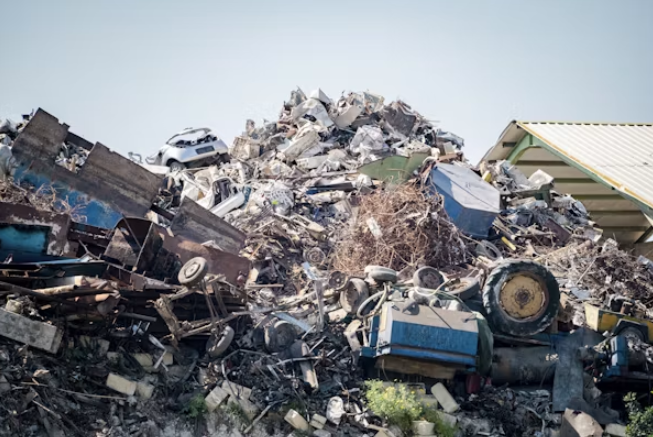
Construction and demolition sites produce mountains of steel, copper, aluminium, and mixed alloy offcuts every working day. Project managers often underestimate how much of that material still holds real value. Handling it properly keeps a site tidy, lowers disposal costs, and protects the timelines that rival firms would happily watch slip away.
Most builders treat scrap as a nuisance, yet that mindset quietly drains profit from each job. Skilled metal recyclers convert demolition waste into recovered revenue while keeping work zones safe and clear. The right partner sorts, weighs, and removes material before it clogs a busy site. One solid relationship shifts a project from chaotic to genuinely controlled.
Mountains Of Metal Rise On Every Job Site
Steel And Copper Stack Up Fast: Demolition crews strip beams, wiring, ducting, and reinforcement bar within hours of breaking ground. A single mid-sized teardown can yield several tonnes of steel beside valuable non-ferrous metals such as copper and brass. Left unmanaged, those heaps spread across access routes and slow every trade waiting to move.
Volume Climbs With Each Storey: Larger builds simply multiply the issue. Every extra floor adds framing, cladding, fixings, and redundant plant that soon becomes scrap. Quantities that felt manageable in week one turn into a real headache by month three. Sites without a removal plan watch good material rust in the weather and lose grade.
Offcuts Hide In Plain Sight: Beyond the obvious beams, smaller items vanish into corners and skips. Cable ends, bracket trimmings, and damaged fittings carry weight and worth that crews routinely discard. A trained eye spots these gains early. Capturing them across a long build adds up to a surprising sum by handover day.
See also: How Condo Amenities Influence Long-Term Residential Satisfaction
The Hidden Cost Of Mishandled Scrap
Disposal Bills Climb Quietly: Sending mixed metal to general waste means paying landfill charges on material that should pay you back. Many firms never track this leak, so it compounds across jobs. A disciplined circular economy approach treats each offcut as stock awaiting a buyer, not rubbish bound for a costly skip.
Safety Hazards Multiply On Cluttered Ground: Sharp swarf, jagged sheet, and unstable stacks create genuine danger for workers crossing between tasks. One trip or deep cut triggers downtime, paperwork, and insurance scrutiny. Tidy scrap handling protects people first and schedules second. Sites that ignore it tend to learn the lesson the expensive way.
Delays Eat Into Slim Margins: Cluttered ground forces crews to work around obstacles instead of through them. Deliveries stall, plant cannot manoeuvre, and inspectors note the mess. Each lost hour chips at a margin that was tight from the tender. Clearing scrap quickly keeps the whole programme moving toward its agreed dates.
Where Smart Recycling Drives Project Speed
Faster Clearance Frees The Critical Path: Prompt collection means trades follow one another without tripping over yesterday’s debris. Floors empty, access opens, and the next phase begins on time. Speed on site directly protects the schedule that everything else depends upon. Quiet efficiency here often decides whether a job finishes ahead or behind.
Sorting Expertise Lifts Your Returns: Not all scrap carries the same value, and untrained sorting leaves money on the ground. Specialists separate grades correctly, so copper never ends up priced as common steel. That accuracy turns a rough heap into a properly valued load. Over a full project, sharper sorting noticeably improves the final cheque.
Reliable Partners Deliver Real Advantages: A dependable recycling service brings more than a truck and a skip. The right arrangement supports compliance, cash flow, and a cleaner reputation with neighbours and councils. Consider what a strong partnership puts back into a demanding build:
- Scheduled removals that match each phase of the works and prevent overflowing storage areas.
- Accurate weighing and grading that secures the fair market price for every load.
- Proper documentation that satisfies environmental rules and audit requirements.
- Reduced landfill volume that lowers levies and strengthens green credentials.
- Safer access routes that keep crews productive and inspectors satisfied.
Turning A Scrap Heap Into Recovered Returns
Collection Built Around Your Programme: Good operators plan pickups around site phases rather than forcing rigid slots. Bins arrive where crews actually work, then leave before they overflow. This rhythm suits commercial and industrial projects that generate steady volumes. Larger demolition jobs especially benefit from removals timed to match heavy strip-out weeks.
Processing That Recovers Maximum Worth: Once material leaves the gate, it is graded, cut, and prepared for resale or smelting. Modern yards extract value from fractions most crews would bin without thought. That recovery loop returns metal to manufacturers and keeps virgin extraction in check. Less waste leaves the site, and more worth comes back.
Recovery That Rewards The Whole Build: The final benefit lands on the balance sheet. Recovered tonnage becomes a rebate that offsets disposal and trims project cost. Cleaner sites, lower risk, and steady cash form a quiet advantage over rivals still paying to bury their scrap. Smart handling simply makes each contract work harder.
Build Leaner, Recover More, Win The Next Tender
Construction and demolition work always generates metal, so the real question is whether it drains profit or feeds it. Firms that plan removal early enjoy cleaner sites, safer crews, and stronger returns at handover. The advantage waits for any builder ready to treat scrap as an asset. Book a site assessment today and turn your next teardown into recovered value.